Active Recovery Techniques: Science-Backed Strategies for Sore Muscles
Published: AUG. 2, 2026
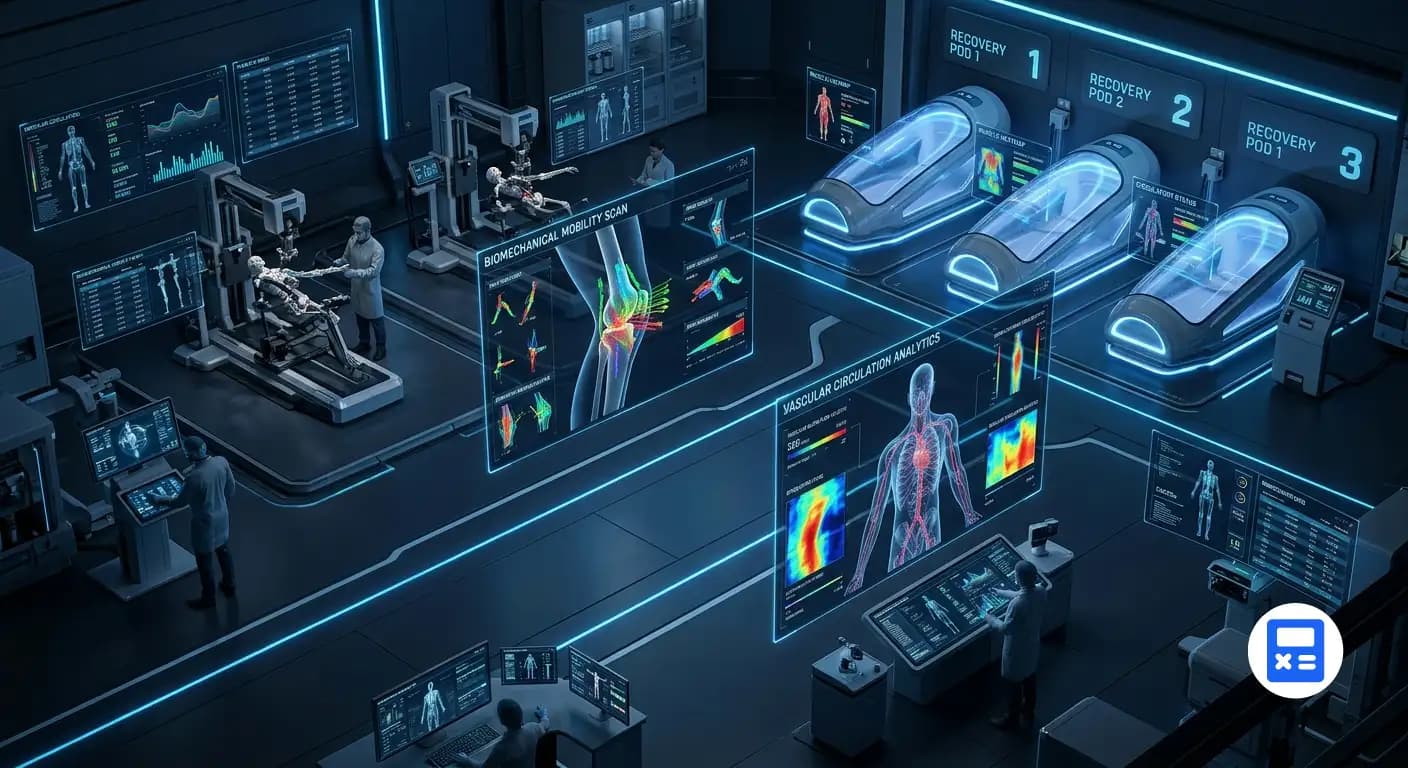
Rest days are a vital component of any athletic program, but taking a rest day does not mean remaining entirely sedentary. Active recovery—engaging in low-intensity, non-strenuous movement—speeds up physical repair far better than passive resting on the couch.
By stimulating light blood flow without placing heavy mechanical stress on damaged muscle fibers, active recovery promotes tissue repair and flushes out metabolic waste products.
The Mechanisms Behind Active Recovery
Intense resistance training causes microscopic tears in skeletal muscle tissue, triggering local inflammation and Delayed Onset Muscle Soreness (DOMS). Passive rest can leave muscles feeling tight and stiff.
Light movement increases cardiac output, delivering oxygenated, nutrient-rich blood to tissues while speeding up the removal of metabolic cellular waste.
Top 4 Active Recovery Modalities
- Low-Intensity Steady State Cardio (LISS): Activities like 20 to 30 minutes of light walking, casual cycling, or easy swimming keep heart rates within 50% to 60% of maximum HR.
- Self-Myofascial Release (Foam Rolling): Applying gentle pressure to tight fascial tissues improves local micro-circulation and joint range of motion.
- Dynamic Mobility Routines: Gentle joint rotations and mobility drills lubricate joints with synovial fluid and reduce muscle tightness.
- Contrast Hydrotherapy: Alternating between hot and cold water immersion promotes rapid vasodilation and vasoconstriction, encouraging circulation.
Passive vs. Active Recovery Comparison
| Recovery Metric | Passive Recovery (Complete Rest) | Active Recovery (Light Movement) |
|---|---|---|
| Blood Flow Rate | Baseline / Low | Elevated (+50% to 100%) |
| Lactate Clearance | Slow | Significantly Accelerated |
| DOMS Reduction | Minimal Impact | High Effectiveness |
| CNS Strain | Zero Strain | Minimal (if intensity is kept low) |
Frequently Asked Questions (FAQ)
How long should an active recovery session last?
Keep active recovery sessions between 20 and 45 minutes. The goal is to stimulate circulation without causing muscular fatigue.
Should I do active recovery if I am extremely sore?
Yes, light movement and foam rolling are ideal for sore muscles as they increase blood flow and reduce stiffness without causing additional muscle damage.
Related Posts
AUG. 8, 2026
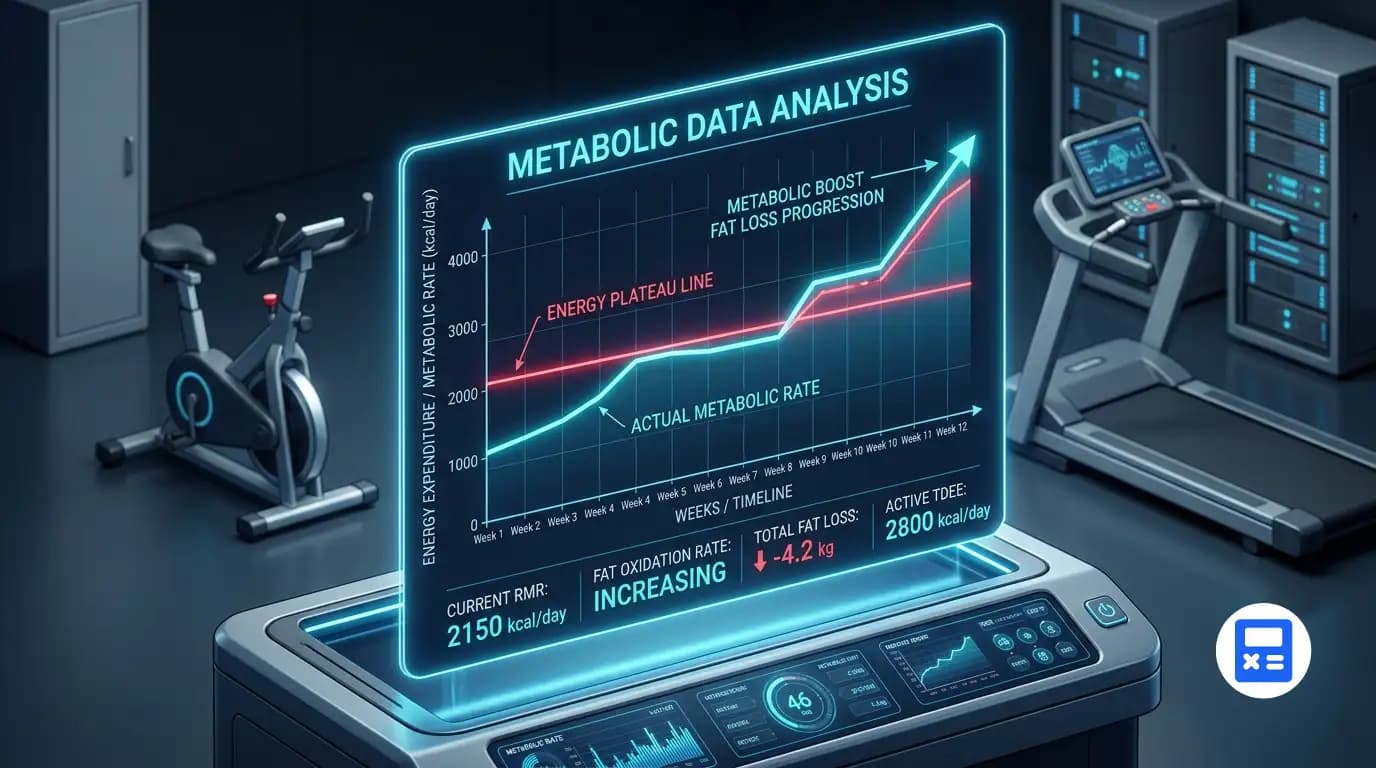
Overcoming Adaptive Thermogenesis and Fat Loss Plateaus
Understand the metabolic mechanics of weight loss plateaus, how your body conserves energy, and practical protocols to break stalls.
AUG. 8, 2026
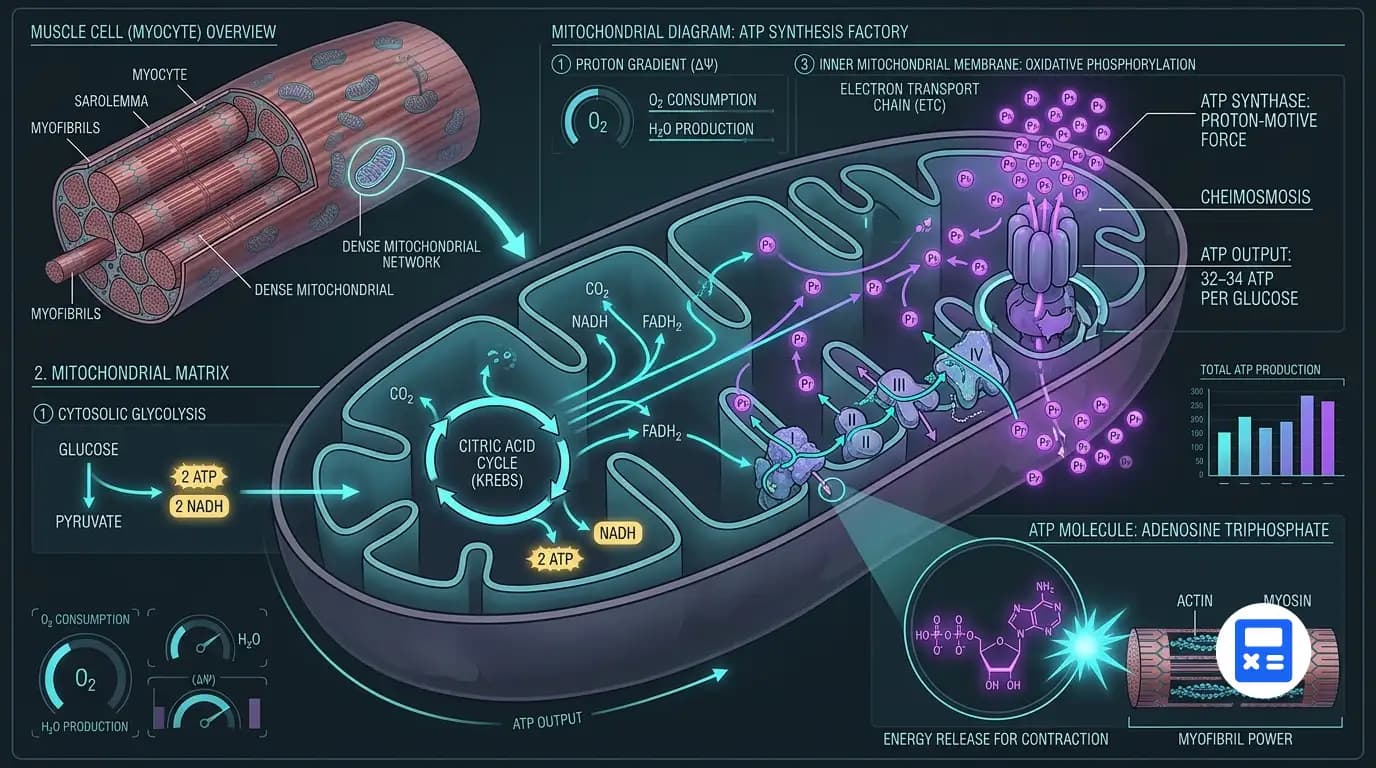
Physiological Determinants of Basal Metabolic Rate (BMR)
Discover the biological, endocrine, and genetic variables that determine Basal Metabolic Rate and how to influence your resting metabolism.