Overcoming Adaptive Thermogenesis and Fat Loss Plateaus
Published: AUG. 8, 2026
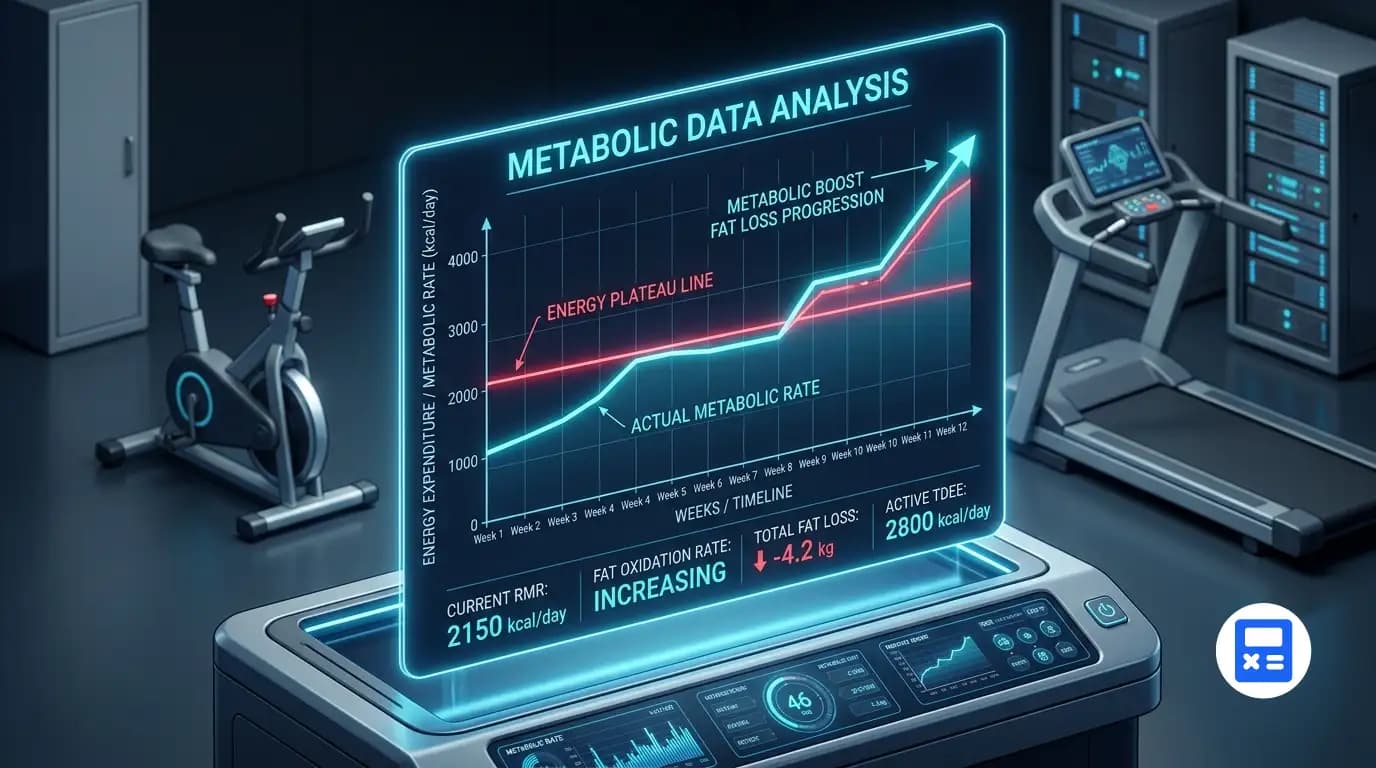
When maintaining a continuous caloric deficit, fat loss often slows down or stalls after initial progress. This slowing of progress is frequently driven by Adaptive Thermogenesis—an evolutionary adaptation where total energy output drops beyond what would be predicted by changes in body mass alone.
Rather than assuming progress has stopped permanently, understanding these physiological mechanics allows for strategic adjustments to keep progress moving forward.
Biological Symptoms and Signs of Adaptive Thermogenesis
When energy intake remains suppressed over extended periods, several compensatory physiological adaptations occur:
- Increased Muscle Energetic Efficiency: Skeletal muscle fibers adapt to consume less ATP per contraction cycle, reducing total energy expenditure during daily movement and physical exercise.
- Reduction in Spontaneous NEAT: Unconscious movements—including fidgeting, posture changes, pacing, and daily physical activity—decline significantly without conscious awareness.
- Hormonal Adaptation: Serum active T3 thyroid hormone drops, circulating leptin levels decrease markedly, and resting cortisol levels rise.
- Elevated Appetite Signaling: Hypothalamic hunger pathways upregulate ghrelin responsiveness, driving stronger physiological cravings for calorie-dense foods.
Diagnostic Matrix: True Plateau vs. Masked Fat Loss
Distinguishing between genuine metabolic stalls and temporary water retention prevents unnecessary dietary changes:
| Metric | Genuine Metabolic Plateau | Temporary Fluid Retention (Masked Loss) |
|---|---|---|
| Scale Weight Trend | Unchanged for 4 or more consecutive weeks | Unchanged for 1 to 3 weeks, followed by a rapid drop |
| Body Circumferences | Waist and skinfold measurements remain constant | Circumferences decrease despite a stable scale weight |
| Caloric Compliance | Calorie intake has unconsciously drifted upward | Calorie intake remains 100% consistent with targets |
| Stress and Cortisol | Normal recovery and baseline stress levels | High stress, inadequate sleep, and elevated fluid retention |
Evidence-Based Protocols to Break Metabolic Stalls
1. Implement Structured High-Carbohydrate Refeed Days
A structured refeed involves raising intake back to temporary baseline maintenance for 24 to 48 hours, primarily through carbohydrates. This temporarily increases circulating leptin levels, refills liver and muscle glycogen stores, and helps lower systemic stress markers.
2. Schedule a Planned 14-Day Diet Break
Increasing energy intake to true maintenance levels for two full weeks helps lower elevated cortisol, supports thyroid hormone output, and helps restore normal spontaneous physical movement (NEAT).
3. Audit Calorie and Portion Tracking
Unconscious calorie accumulation often occurs over time through unmeasured cooking oils, sauces, and small snacks. Recalibrating food tracking accuracy using a digital kitchen scale can often resolve apparent weight loss plateaus without requiring further caloric reductions.
Frequently Asked Questions (FAQ)
Will increasing calories to maintenance during a diet break cause weight regain?
Any minor increase in scale weight during a diet break is primarily due to muscle glycogen replenishment and associated water storage, not body fat gain, provided total intake does not exceed maintenance TDEE.
How long does it take for metabolic adaptation to reverse after finishing a diet?
Metabolic output typically returns to expected baseline levels within a few weeks of returning to energy balance, as leptin levels restore, stress hormones normalize, and daily activity returns to normal levels.
Does adaptive thermogenesis permanently damage metabolism?
No. Clinical research shows that metabolic adaptation is a temporary protective response rather than permanent damage. Energy expenditure normalizes once energy balance and body weight stabilize.
Should I increase cardio volume when fat loss stalls?
Adding excessive cardio to break a stall can further increase stress and cortisol, potentially worsening fluid retention. Adjusting intake slightly or taking a structured diet break is often a more effective approach.
Re-Evaluate Your Caloric Baseline
If your body weight has changed significantly, your maintenance energy needs have adapted as well. Recalculate your targets on our Homepage.
Related Posts

AUG. 2, 2026
Active Recovery Techniques: Science-Backed Strategies for Sore Muscles
Reduce Delayed Onset Muscle Soreness (DOMS) and speed up muscular recovery using low-intensity movement, myofascial release, and mobility protocols.
AUG. 8, 2026
Physiological Determinants of Basal Metabolic Rate (BMR)
Discover the biological, endocrine, and genetic variables that determine Basal Metabolic Rate and how to influence your resting metabolism.