The Ultimate Guide to Macronutrients: Protein, Carbs, and Fats
Published: AUG. 1, 2026

Understanding macronutrients is the true foundation of any sustainable nutrition strategy. While counting raw calories tells you how much energy you ingest, tracking your macronutrients—often referred to as 'macros'—determines the quality of that energy and directly influences whether you gain lean muscle mass, shed stubborn body fat, or suffer from athletic fatigue during high-intensity training.
Macronutrients are organic nutrients that the human body requires in large daily quantities to sustain metabolic energy, build physical structure, and drive essential physiological functions. The three primary macronutrients are protein, carbohydrates, and dietary fats.
1. Protein: The Structural Building Block
Protein is fundamental for cellular repair, immune response, and muscle tissue adaptation. Every single gram of protein yields roughly 4 calories. When ingested, dietary proteins break down into individual amino acids, which serve as the molecular building blocks for muscle protein synthesis (MPS).
Without adequate amino acid availability, your body enters a catabolic state, breaking down existing muscle tissue to repair vital organ systems.
- Recommended Daily Intake: Active individuals and strength athletes should target 1.6 to 2.2 grams of protein per kilogram of total body weight daily.
- Optimal Food Sources: Lean chicken breast, grass-fed beef, wild salmon, eggs, Greek yogurt, tofu, lentils, and high-purity whey protein isolate.
2. Carbohydrates: The Preferred Fuel Source
Carbohydrates are your central nervous system's primary and most efficient fuel source, providing 4 calories per gram. Once digested, carbohydrates break down into simple glucose, which is stored inside the liver and skeletal muscle tissue as glycogen to power physical exertion.
- Complex Carbohydrates: Consist of long molecular chains that digest slowly, providing sustained energy without rapid blood sugar spikes. Primary examples include oats, sweet potatoes, quinoa, and brown rice.
- Simple Carbohydrates: Short chemical structures that digest rapidly, making them ideal immediately before or after strenuous training sessions for fast glycogen replenishment. Examples include whole fruit, white rice, and dextrose.
3. Dietary Fats: Essential Hormonal Regulators
Dietary fats are crucial for metabolic equilibrium, cell membrane integrity, and the absorption of fat-soluble vitamins (A, D, E, and K). Fats are energy-dense, providing 9 calories per gram.
Far from being the enemy of fat loss, healthy fats support hormone production, particularly testosterone and thyroid hormones.
- Healthy Fats: Prioritize monounsaturated and polyunsaturated fats such as extra virgin olive oil, fresh avocados, almonds, walnuts, and omega-3 rich fatty fish.
- Trans Fats: Should be strictly avoided due to their severe negative impacts on cardiovascular health, arterial elasticity, and systemic inflammation.
Recommended Macronutrient Distribution Ratios
Different athletic goals require specific macro distributions to yield optimal physiological adaptations:
| Goal Strategy | Protein Target | Carbohydrates Target | Fats Target |
|---|---|---|---|
| Fat Loss / Cutting | 35% - 40% | 30% - 40% | 20% - 30% |
| Lean Muscle Gain | 25% - 30% | 45% - 55% | 15% - 25% |
| Endurance Performance | 15% - 25% | 50% - 65% | 20% - 25% |
To establish your baseline, calculate your Total Daily Energy Expenditure (TDEE) using an accurate activity factor, determine your daily calorie target, and divide those calories according to your target macronutrient distribution.
Frequently Asked Questions (FAQ)
Can I lose weight without tracking my macros?
Yes, creating a raw caloric deficit will lead to weight loss. However, tracking macros ensures that the weight lost comes predominantly from body fat rather than lean muscle tissue, keeping your metabolic rate high.
What happens if I overconsume protein?
Excess protein above your daily biological requirement will simply be oxidized for energy or converted to glucose via gluconeogenesis. While it rarely turns directly into body fat, it can displace other vital nutrients in your diet.
Related Posts

AUG. 2, 2026
Active Recovery Techniques: Science-Backed Strategies for Sore Muscles
Reduce Delayed Onset Muscle Soreness (DOMS) and speed up muscular recovery using low-intensity movement, myofascial release, and mobility protocols.
AUG. 8, 2026
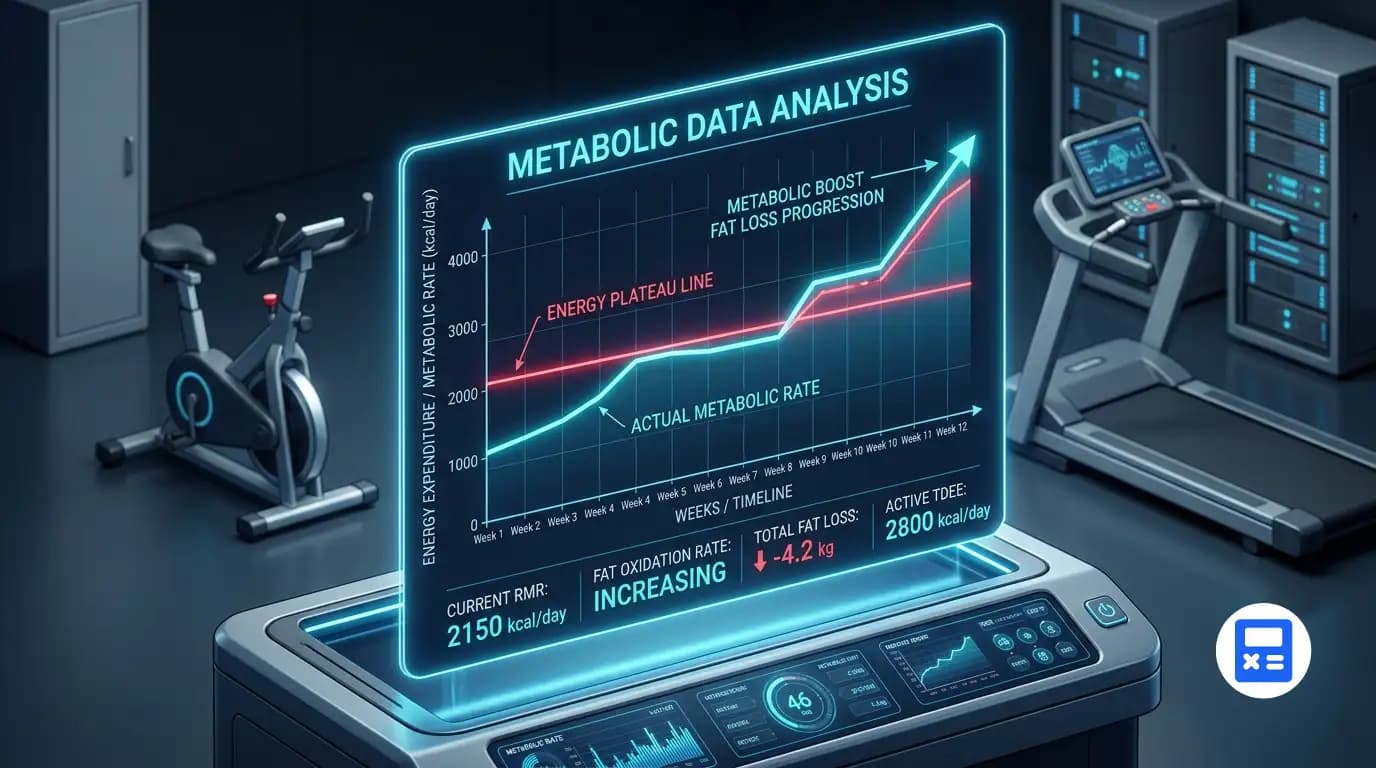
Overcoming Adaptive Thermogenesis and Fat Loss Plateaus
Understand the metabolic mechanics of weight loss plateaus, how your body conserves energy, and practical protocols to break stalls.