The Thermic Effect of Food (TEF) and Metabolic Efficiency
Published: AUG. 8, 2026
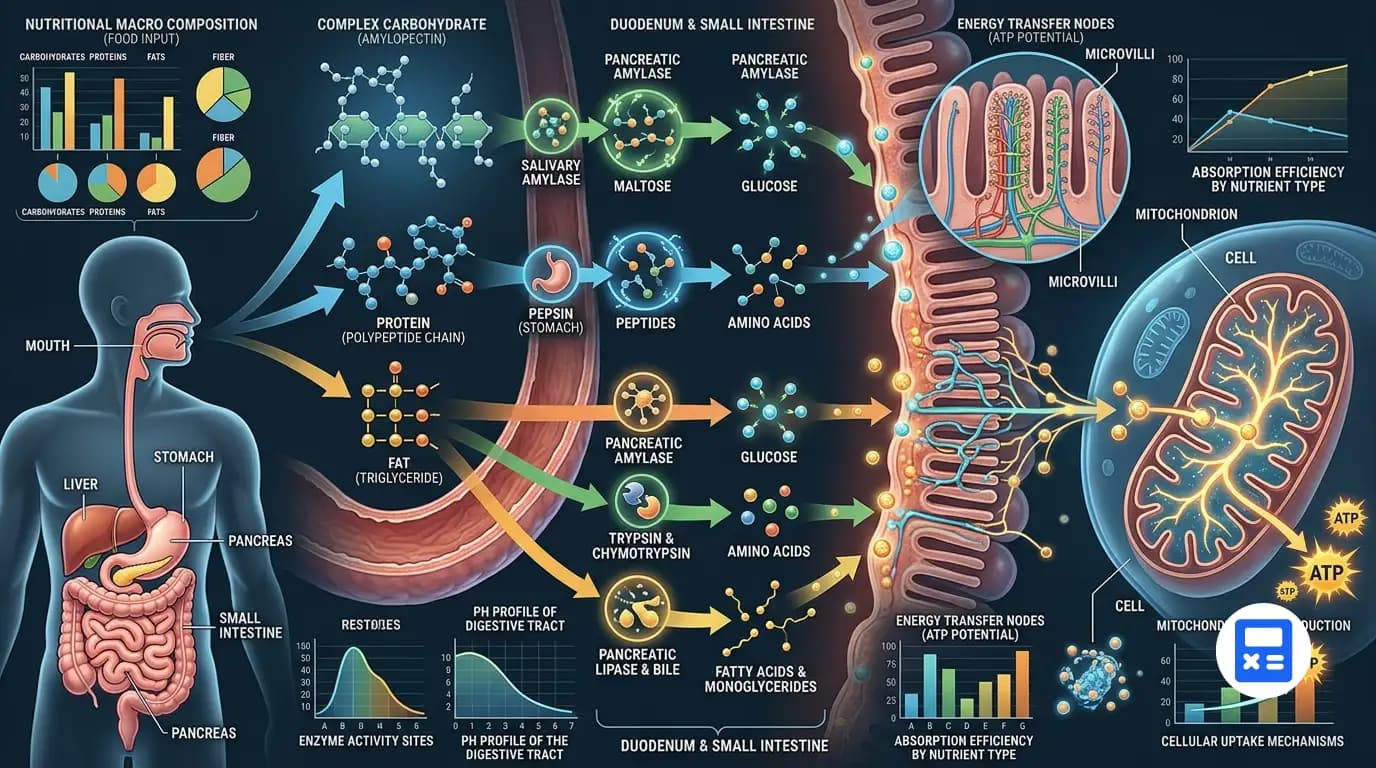
The Thermic Effect of Food (TEF), also known as Diet-Induced Thermogenesis (DIT), represents the energetic cost required to process, digest, absorb, transport, and metabolize nutrients from dietary intake. While TEF accounts for approximately 10% of total daily energy expenditure in average diets, strategically choosing food sources can influence total daily caloric burn and appetite regulation.
Biochemical Energetics Across Nutrient Classes
Processing different macronutrient structures requires varying amounts of metabolic energy during digestion and enzymatic processing:
- Protein Ingestion: Requires a 20% to 30% thermic processing cost. Digesting 100 calories of protein burns approximately 20 to 30 calories through peptide breakdown, urea cycle processing, and amino acid transport.
- Carbohydrate Ingestion: Requires a 5% to 10% thermic processing cost for enzymatic breakdown, glucose transport, and glycogen storage.
- Fat Ingestion: Requires a 0% to 3% thermic cost due to the high efficiency of direct lipid absorption and adipose storage pathways.
Whole Intact Foods vs. Highly Processed Food Energetics
Food structure and processing levels play a major role in determining how much metabolic energy is required for digestion:
| Food Structure Type | Digestive Processing Effort | Net Available Energy Impact |
|---|---|---|
| Whole Intact Foods (e.g., Whole grains, lean steaks, fibrous vegetables) | High metabolic effort required for enzymatic breakdown | ~10% lower net absorbed energy |
| Refined Processed Foods (e.g., White flour, seed oils, sugary beverages) | Minimal digestive effort required | Higher net energy absorption |
Practical Ways to Optimize TEF in Daily Meals
- Prioritize Whole, Unprocessed Foods: Choose whole food sources like lean proteins, intact grains, and fibrous vegetables over heavily processed alternatives to maintain a higher natural digestive expenditure.
- Include Protein with Every Meal: Distributing protein intake across daily meals helps maintain a steady thermic contribution from digestion throughout the day.
- Incorporate Fiber-Rich Foods: Soluble and insoluble dietary fiber slow digestive transit time, support gut health, and slightly increase the energy required for digestion.
Frequently Asked Questions (FAQ)
Does drinking ice-cold water significantly increase daily caloric expenditure?
Drinking cold water causes a temporary increase in thermogenesis as the body warms the liquid to core body temperature. However, this effect burns roughly 15 to 20 calories per liter, making it a very minor contributor to overall energy balance.
Do spicy foods containing capsaicin boost metabolism noticeably?
Capsaicin can temporarily elevate body temperature and energy expenditure through sympathetic nervous system activation. While the measurable increase in metabolic rate is small, spicy foods may also help support satiety.
Does TEF decrease during prolonged caloric deficits?
Because total food volume decreases during a caloric deficit, total energy burned through TEF naturally decreases proportionally with lower food intake.
Is the energy cost of TEF already included in standard TDEE estimations?
Yes, standard TDEE calculations and activity multipliers include an estimated 10% thermic cost based on typical mixed dietary intakes.
Optimize Your Daily Nutrition Plan
Calculate your customized caloric requirements and ideal macronutrient distribution using our interactive calculators on the Homepage.
Related Posts
AUG. 2, 2026
Active Recovery Techniques: Science-Backed Strategies for Sore Muscles
Reduce Delayed Onset Muscle Soreness (DOMS) and speed up muscular recovery using low-intensity movement, myofascial release, and mobility protocols.
AUG. 8, 2026
Overcoming Adaptive Thermogenesis and Fat Loss Plateaus
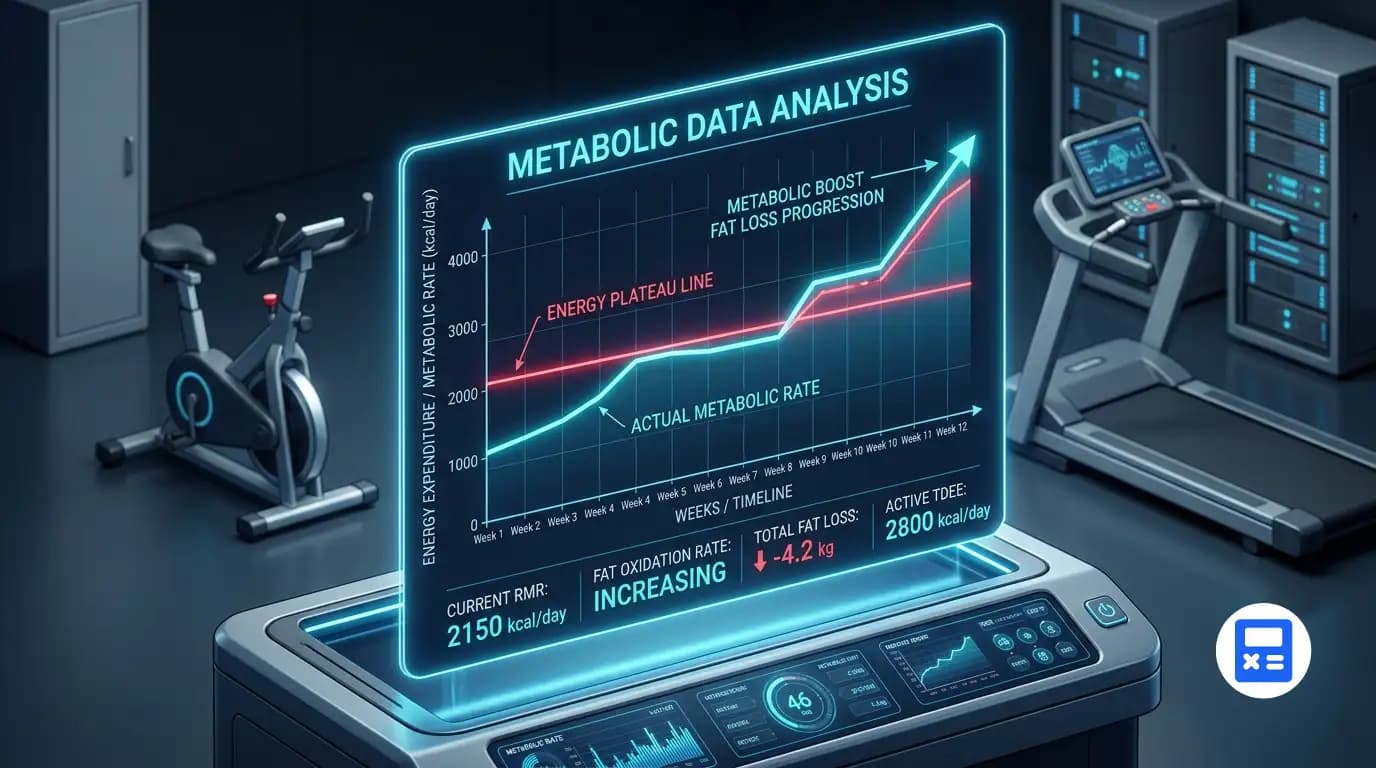
Understand the metabolic mechanics of weight loss plateaus, how your body conserves energy, and practical protocols to break stalls.